 |     |

 |
|  | |||||||||||||||||||||||||||||||||||||||||||||||||
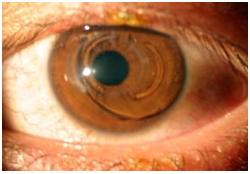
Noticias | Ingenierías | Ingeniería BiomédicaDescubren que los implantes de polialquilamida no son inocuosUn equipo de investigadores liderado por el presidente de la Sociedad Española de Medicina y Cirugía Cosmética, el doctor Víctor García, ha descubierto que la polialquilamida que se utiliza en implantes y para corregir defectos faciales no es inocua y tiene efectos adversos locales. Publicado: Jueves, 5/6/2008 - 11:12 | 1781 visitas.
Según han comprobado estos expertos, la polialquilamida, que se inyecta en los labios, las mejillas, la barbilla y los pliegues nasolabiales, produce "efectos adversos locales" y lesiones en los pacientes. El estudio, realizado con veinticinco pacientes y publicado en la revista "Archives of Dermatology", concluye que doce meses o más después de haber inyectado esta sustancia se puede producir un endurecimiento en la zona tratada, reacciones alérgicas (angioedema) o nódulos inflamatorios (granulomas). En cuanto a las lesiones, el estudio precisa que la mencionada substancia puede producir fiebre, sequedad en las mucosas e inflamación de las articulaciones. Los resultados de este estudio, advierten los autores, obligan a un "cambio de concepto", porque estos implantes no son inocuos y se deben considerar como "posibles inductores de patología", que podría aparecer en "un caso por cada cien, o en un caso por cada quinientos pacientes tratados". Hasta ahora, este tipo de implantes permanentes, que no son absorbibles ni biodegradables, se creían exentos de efectos nocivos para el organismo. De hecho, desde que comenzó a comercializarse en Europa y en Estados Unidos (en 2001), las ventas "se han disparado". Este proyecto de investigación cuenta además con el apoyo de la Sociedad Española de Medicina y Cirugía Cosmética (SEMCC).
| NoticiasImágenes
Videos
Artículos
EntradasLibros
| ||||||||||||||||||||||||||||||||||||||||||||||||||
 Home  Atrás  Arriba | |||||||||||||||||||||||||||||||||||||||||||||||||||


 Imagen: Ecuador Ciencia